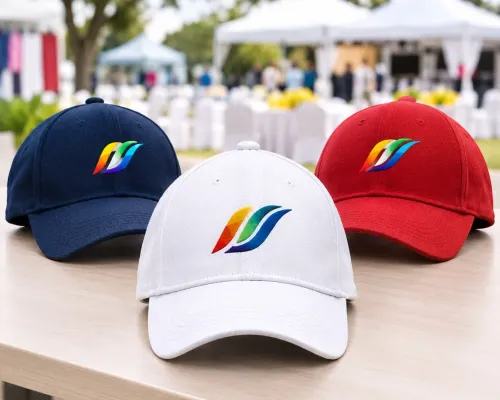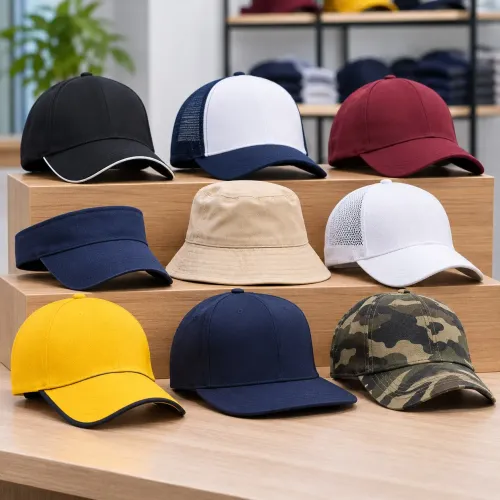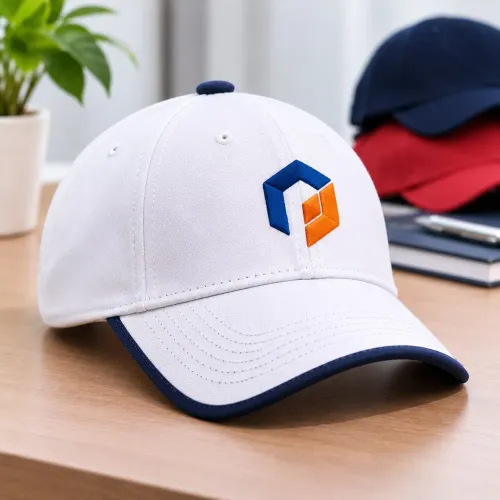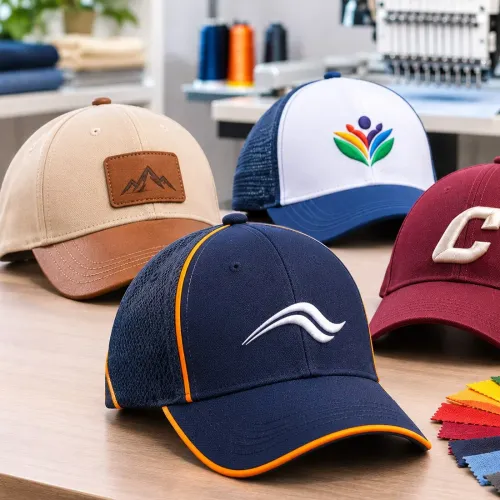
Choosing a cricket cap for a club is not just a matter of selecting a colour and adding a crest. You need to match the construction, fabric, fit, decoration and order process to the demands of match play, training, travel or supporter wear, then approve a sample that works on an actual head.
Key takeaways
- Choose six-panel caps with pre-curved peaks for stable match wear.
- Compare fabric, sweatband, closure and helmet compatibility before ordering.
- Supply vector crest files with exact thread colours and sponsor placement.
- Approve a size sample and written specification before repeat team orders.
Which cricket cap construction suits your team’s use?
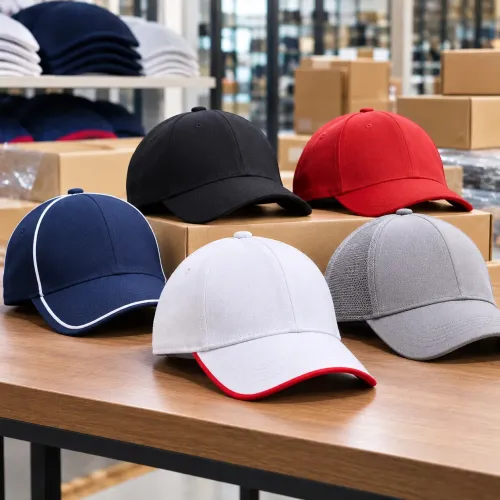
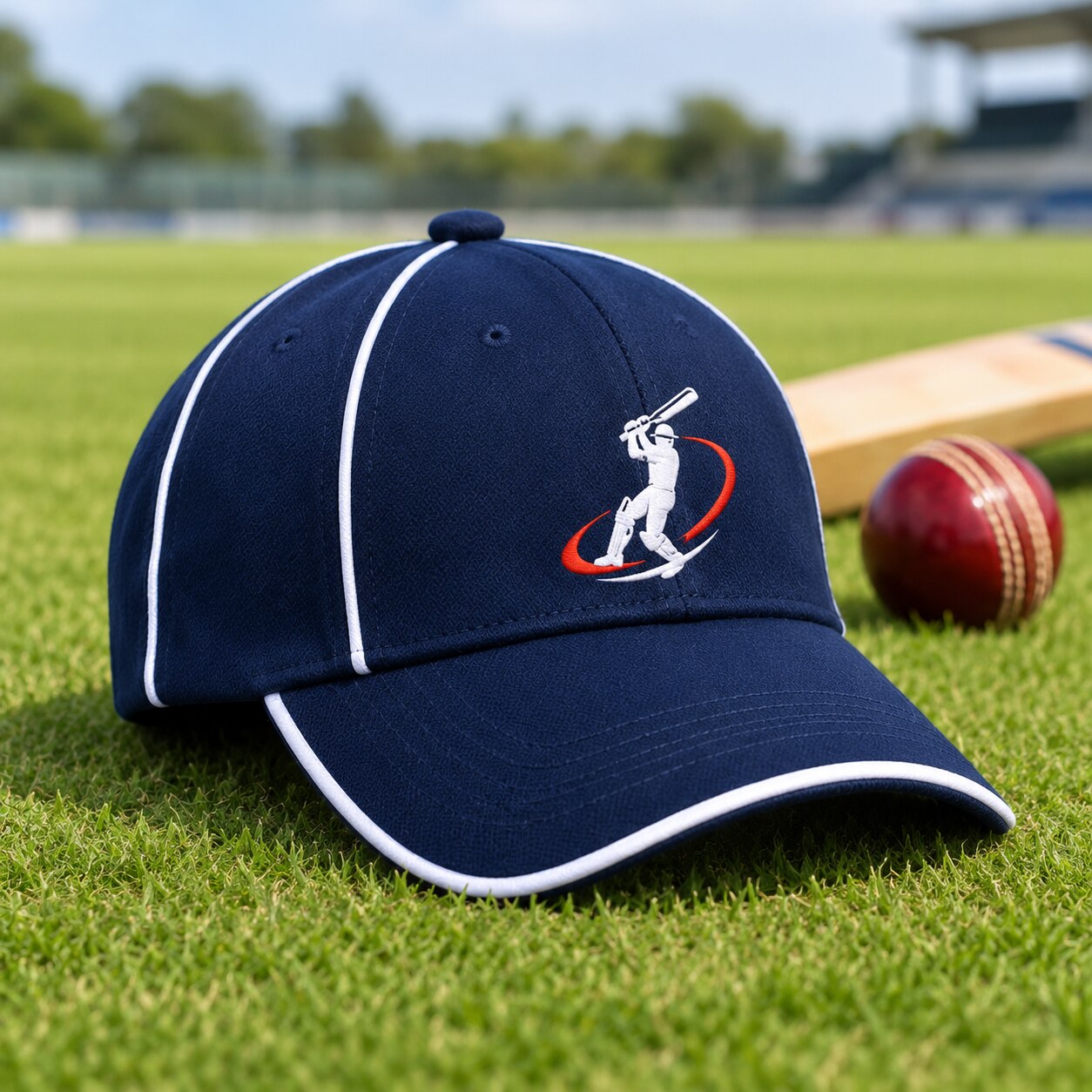
A structured or semi-structured six-panel cap with a pre-curved peak is the common match specification because it stays stable above the ears and presents a crest cleanly.
The best cricket cap construction depends on use: choose a moderate crown height, peak length that shades without obstructing vision, firm buckram in the front panels, a moisture-managing sweatband, secure rear closure and ventilation that does not fray after washing.
A flat brim gives a sharper supporter look but can sit awkwardly during play; a curved brim follows the face better.
| Option | Best use | Construction and trade-off |
|---|---|---|
| Structured cricket cap | Match wear | Buckram supports a dense embroidered crest and holds shape, but packs poorly. |
| Semi-structured six-panel cap | Match and club use | Six panels distribute fit evenly; a pre-curved peak balances stability, shade and comfort. |
| Unstructured five-panel cap | Travel and casual wear | Flexible and collapsible, but a five-panel cap versus six-panel cap for cricket teams gives less support for a large crest. |
| Lightweight mesh cap | Training | Improves airflow during drills, while mesh can fray or mismatch in colour. |
| Low-cost giveaway cap | One-off promotion | Suitable for brief supporter use, not repeated training or match wear. |
Use a dense structured crest for players, a collapsible unstructured cap for travel and a lighter mesh design for training. Fan merchandise can use a flat brim or softer crown for style. A cap is apparel, not protective headgear; whenever competition rules or the playing situation require protection, players must wear a competition-approved cricket helmet.
How should you compare fabric, fit and equipment compatibility?
Choose fabric by workload, not appearance. A cotton twill cricket cap absorbs sweat but holds heat and dries slowly; cotton-rich blends feel softer while improving drying. A performance polyester cap handles humid training better, and a mesh cricket cap maximises airflow.
| Option | Heat and sweat | Drying and odour | Colourfastness, durability and care |
|---|---|---|---|
| Cotton twill | Warm; absorbs sweat | Slow drying; can retain odour | Good wear; wash cool and control shrinkage |
| Cotton-rich blend | Moderate heat; absorbs some sweat | Medium drying; moderate odour | Comfortable but can shrink; follow measured wash care |
| Standard polyester | Low absorption; less clammy | Dries quickly; odour can remain | Durable and colourfast; machine-wash as specified |
| Performance polyester | Low heat; moves sweat from skin | Fastest drying; improved odour control with treated fabric | Durable; test colourfastness before repeated washing |
| Polyester mesh | Coolest; maximum airflow | Very fast drying; odour depends on sweatband | Airflow improves, but edges can fray; wash gently |
Use mesh panels or metal eyelets where heat is the problem, but approve matching fabric and thread first. Uneven shades, fraying, snagging and weakened seams can appear after washing.
Measure head circumference in centimetres with a soft tape level above the ears and across the middle of the forehead. Require the finished internal circumference and adjustment range; S/M/L and 56/58 labels are not reliable sizing specifications.
Choose an adjustable closure for mixed rosters, or a fitted size for a stable individual fit. Leave room for hair and movement without allowing the cap to shift; check it with sunglasses, the team uniform and non-protective equipment. Never wear a cap under a helmet or use it instead of approved cricket head protection.
How should a club prepare its crest and sponsor artwork?
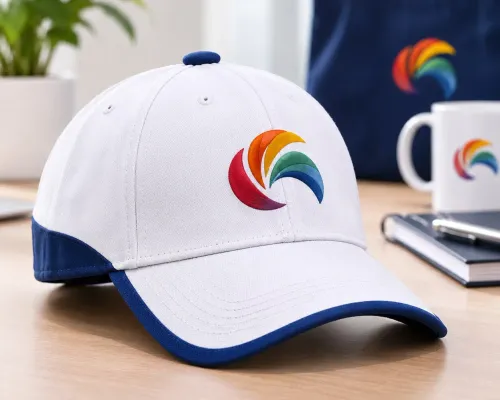
Use simplified, production-ready artwork for a curved front panel. Accept AI, EPS, SVG or a high-resolution PDF, but remember that the supplied logo still needs club crest digitisation into a stitch file. Fine lettering, narrow outlines and small enclosed shapes often need simplification before cricket cap embroidery.
| Decoration | Strength | Best use and risk |
|---|---|---|
| Direct embroidery | Raised, traditional crest with strong team identity | Clean logos on cotton twill; excessive density can cause puckering |
| Woven patch for cricket cap | Handles fine text, gradients and many colours consistently | Detailed crests; adds thickness, a border and edge-lifting risk |
| Heat-transfer or printed decoration | Sharp flat graphics without stitch distortion | Small runs or fine detail; test cracking, peeling and wash durability |
| Sublimation | Detailed, all-over colour integrated into polyester | Polyester graphics, not a like-for-like replacement for a cotton-twill crest |
1. Set the front crest at roughly 60–75 mm wide, then check recognition from the boundary. Keep clear space around it so seams, the peak and other marks do not crowd the design.
2. Confirm sponsor logo placement on team cap before production: use the side panel for a sponsor mark, and reserve player initials or tournament logos for the opposite side or rear. Keep letters at least 4–5 mm high and embroidered lines about 1 mm wide where the fabric permits.
3. Approve thread density, backing and thread tension together. Excess density or weak stabilisation causes puckering; excess backing can show inside and irritate the forehead.
4. Match thread and textile colours to a physical thread card or textile Pantone reference, not only screen artwork or coated paper.
5. Approve a pre-production sample made with the actual cap, seams, curvature, backing and hardware. Inspect crest alignment, placement, edge lifting, peak alignment, backing visibility and inside comfort.
How can you organise a consistent team order and repeat supply?
A reliable bulk cricket cap order starts with one controlled size sheet, not a group chat or a total headcount.
1. Use team cap size collection to record each wearer’s name, measured head circumference in centimetres, requested fit, hair or movement allowance and preferred closure. Then total separate quantities for players, coaches, analysts, officials and support staff.
2. Add a spare quantity for late joiners, lost caps and replacement cricket caps. Specify that every spare uses the same shade, trim, fabric and closure as the approved order, rather than accepting a substitute from later production.
3. Lock the purchase record to the fabric composition, physical colour reference, crown construction, peak shape, sweatband, ventilation, closure hardware, decoration method, crest placement and wash instructions. A screen image cannot control colour across cotton, polyester, thread and woven labels.
4. Confirm the minimum order quantity for custom caps before approving the design. Custom-dyed fabric, trim, woven labels and multiple sizes can each create a separate minimum, while stock fabric colours usually simplify a first run.
For repeat supply, retain the approved physical sample, digitised embroidery file, thread references, measurement method and acceptable post-wash size and shape tolerance. Cotton-rich caps need explicit shrinkage controls; polyester caps still require colourfastness and wash testing. Record the sample approval with the purchase order so a later batch is compared against the same physical standard.
What should you verify before choosing a cricket cap manufacturer?
Compare a cricket cap manufacturer against a written specification, not broad claims about quality or sports branding. Record intended use, wearer groups, head-size range, fabric, crown and peak construction, sweatband, ventilation, closure, decoration, quantity, delivery stages and repeat-order controls.
| Option | What to compare | Risk if unspecified |
|---|---|---|
| Cotton twill | Comfort, shrinkage control and colourfastness | Size or shade changes after washing |
| Performance polyester | Drying speed, durability and colourfastness | Heat or odour retention |
| Mesh panels | Airflow and edge finishing | Fraying or mismatched colours |
Request a physical pre-production cap sample, not a flat digital mock-up. It must use the actual fabric, stabilizer, thread colours, crest size, sponsor arrangement and adjustment hardware.
Approve the sample against this checklist:
- Outside appearance, crest placement and sponsor spacing
- Seam alignment, peak alignment and stitch density
- Puckering, loose threads and backing visibility
- Forehead comfort, adjustment range and hardware security
- Wash-care result, shrinkage and colourfastness
Ask for finished internal circumference in centimetres and the adjustment range; S/M/L or 56/58 labels alone are not reliable. Keep the approved sample, embroidery file, thread references, measurement method and post-wash tolerances for repeat orders.
For Global Recycled Standard cricket caps, ask whether evidence covers recycled content, the manufacturing site or the finished article. OEKO-TEX STANDARD 100 addresses harmful-substance testing in textile articles and components, not recycled content or durability.
Promotional Cap Manufacturer gives a Pune-based buyer a useful comparison point when this evidence is requested and checked objectively.
Frequently asked questions
Which cricket cap construction suits a club or tournament team?
A structured or semi-structured six-panel cap with a pre-curved peak suits match use because it stays stable above the ears and presents a crest clearly.
What should you compare when choosing cricket caps?
Compare fabric, fit, sweatband, closure, peak shape and compatibility with helmets or other cricket equipment before ordering.
How should a team prepare its crest and sponsor artwork?
Provide clean vector artwork, confirm thread colours and dimensions, and approve the crest and sponsor placement before production.
How can a club organise consistent repeat cap orders?
Record the approved cap specification, size breakdown, artwork version, colours and packing instructions so later orders match the original.
What should you verify before choosing a cricket cap manufacturer?
Verify sample quality, measurements, embroidery or printing accuracy, production quantities, delivery terms and the supplier’s ability to repeat the approved specification.