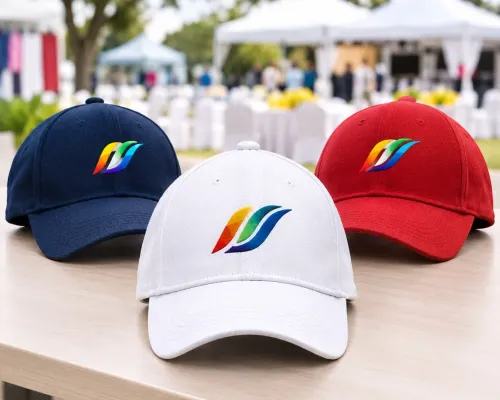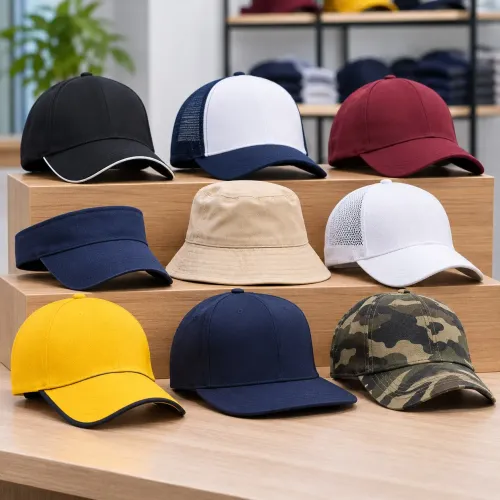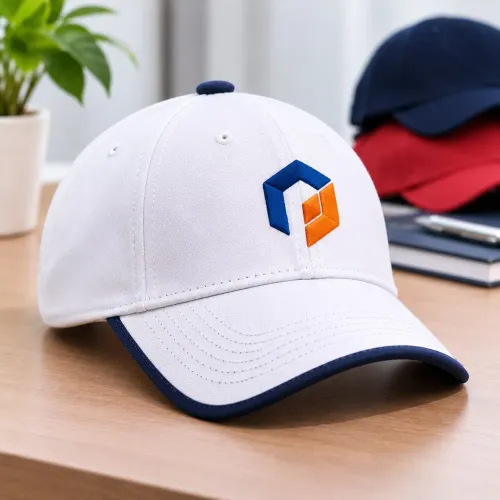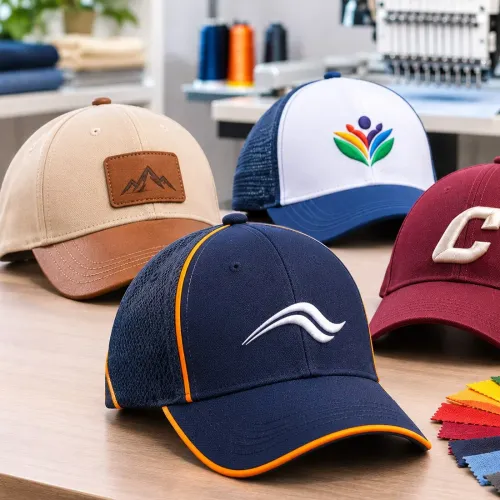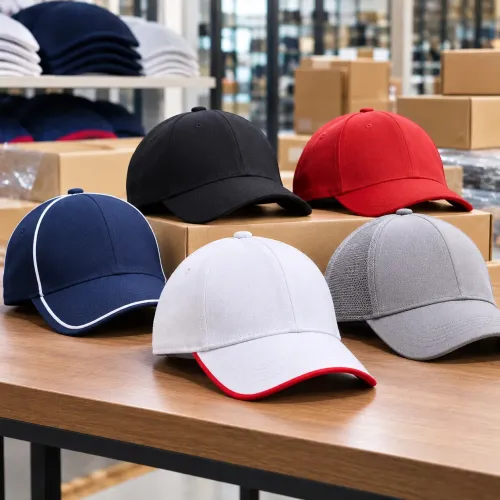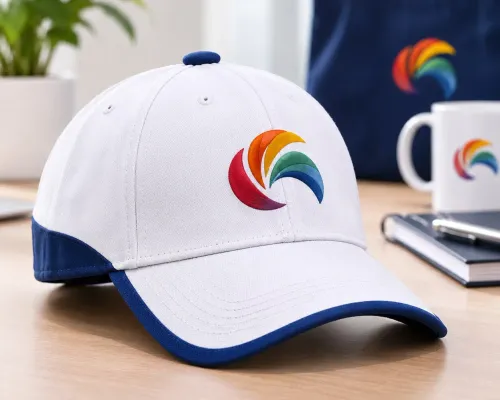
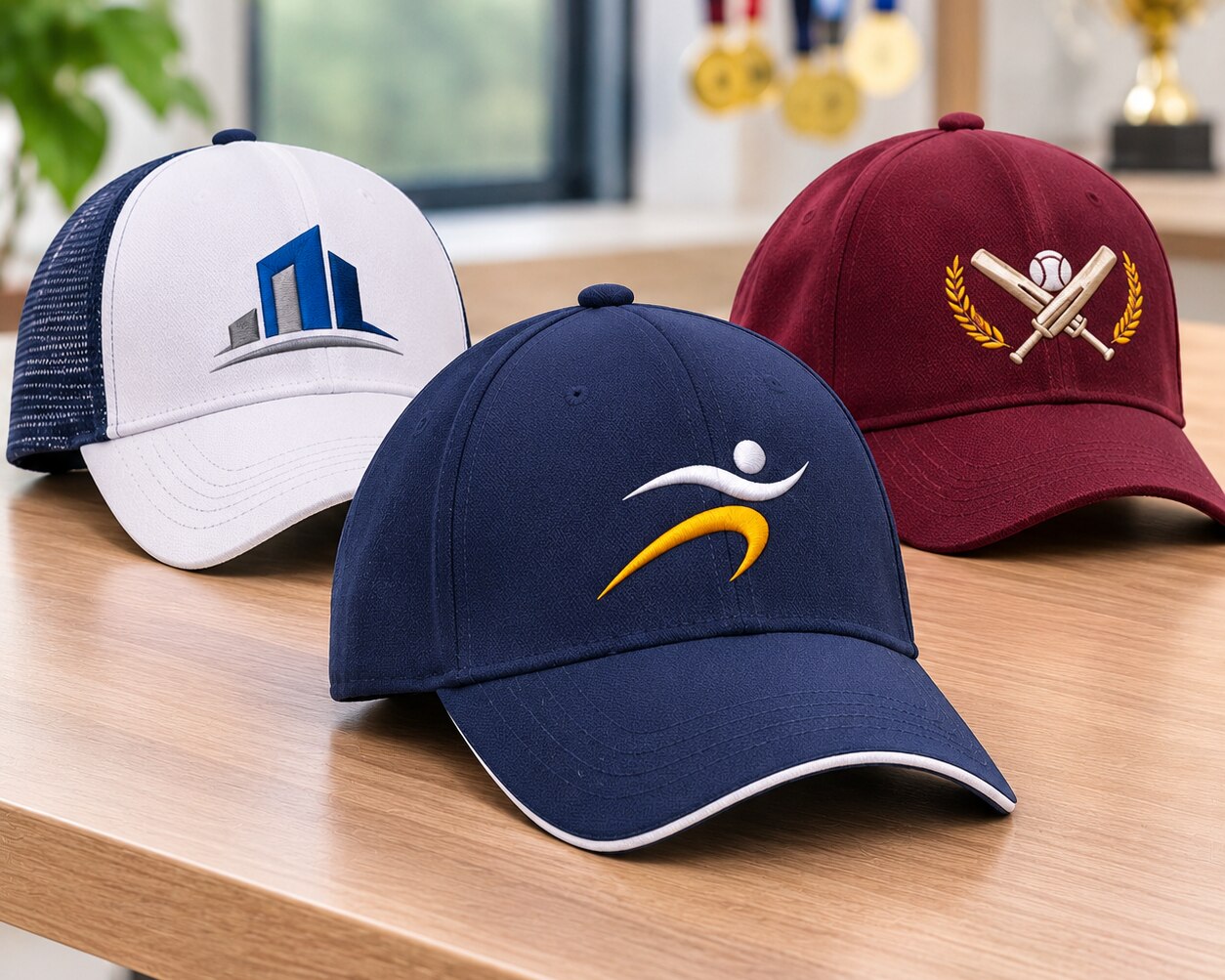
The right cap depends on how it will be worn, washed, decorated and distributed—not simply on the logo you want to add. By matching construction, fabric, sizing, order quantities and decoration to the occasion, you can avoid uncomfortable uniforms, unreadable artwork and costly replacements.
Key takeaways
- Match cap construction to activity, wear duration and logo placement.
- Choose breathable, washable fabric for heat, sweat and repeated use.
- Order size mixes and spare caps before confirming production quantities.
- Approve a physical sample with artwork, measurements and production details.
Match the cap specification to the way people will wear it
Choose the construction by wear duration, activity and decoration area, not by logo alone. Company uniform caps need a durable, washable crown, adjustable closure and a visor that suits long shifts.
Sports team caps need a secure fitted or stretch-fit option when you have reliable head measurements; otherwise, adjustable closures prevent stock from failing at the edges.
Use this starting specification:
| Use case | Suitable construction | Reason |
|---|---|---|
| Company uniform | Structured polyester or blend, adjustable back | Holds shape through washing and fits mixed staff sizes |
| Sports team | Structured or stretch-fit cap, curved visor | Gives a consistent team appearance and stays secure during movement |
| Tournament | Quick-drying polyester, adjustable closure | Handles outdoor play and accommodates late registrations |
| Conference | Five-panel, structured front, flat or pre-curved visor | Creates a relatively uninterrupted decoration area for a logo |
| Product launch | Five-panel structured cap, clean front, branded closure | Gives the product mark visual priority |
| Festival | Lightweight polyester or mesh, adjustable closure | Improves airflow and simplifies distribution |
| One-day event | Unstructured cotton or polyester, adjustable closure | Reduces cost and sizing risk when long-term durability matters less |
Confirm the actual sample: a six-panel cap can place a seam through the front, but patterns vary. Structured fronts give embroidery a flatter field; unstructured caps pack easily but need careful backing. For U.S. children’s events, check intended-use rules, lead and phthalate limits, tracking labels and the Children’s Product Certificate before ordering.
Choose fabric and features for heat, washing and long wear
Choose fabric by matching heat, washing and decoration demands, not by fibre name alone. Cotton caps feel soft and absorbent, while polyester caps dry faster and hold colour consistently. Blends balance hand feel and laundering performance; performance caps add moisture-wicking or quick-drying finishes.
| Fabric | Strength | Watch for |
|---|---|---|
| Cotton | Soft, natural feel; comfortable for light-duty wear | Shrinkage, shape change and slower drying after washing |
| Polyester | Fast drying, colour consistency and lower laundering shrinkage | Heat can cause dye migration or distortion during decoration |
| Cotton-polyester blend | Balances softness, strength and care performance | Confirm the actual ratio; “blend” alone says little |
| Mesh | Improves airflow in hot conditions | Open panels reduce weather protection and can snag |
| Performance fabric | Wicks moisture and dries quickly during active use | Finish quality and sweatband design determine real comfort |
A structured crown has buckram behind the front panels, creating a flat, stable embroidery field. It also resists crushing, so choose an unstructured, low-profile crown when caps must pack tightly; use careful backing and hooping to prevent dense embroidery from distorting the front.
Select a curved visor for everyday sun coverage and a flatter visor for a sharper team or streetwear look. Add mesh panels or laser-cut vents for heat, then specify a soft, moisture-managing sweatband for long shifts. A cotton sweatband feels natural but stays damp longer.
Treat decoration and care as one system. Dye-sublimation suits light polyester, not dark cotton; transfers can crack or peel, while polyester dye can migrate under heat. Test the decorated cap after the planned wash cycle.
Plan sizes, closures and spare quantities before ordering
Choose adjustable caps when head measurements vary, people will share stock, or attendance is uncertain. A strap, snapback or hook-and-loop closure expands the usable cap size range, reducing exchanges. Fitted caps give a cleaner team appearance, but require a reliable measurement breakdown and separate stock in each size.
- Measure head circumference in centimetres with a soft tape above the eyebrows and around the widest part of the head. Record adult and child measurements separately; do not assign children an adult size by age alone.
- Compare those measurements with the manufacturer’s actual size chart. Check the closure’s minimum and maximum circumference, not just labels such as “one size.”
- Group fitted caps into size bands, then add one cap for every confirmed wearer in each band. For adjustable caps, order by expected wearer count while retaining a small mix of sizes if the closure range is narrow.
- Build the bulk cap order from every population: employees, players, guests, children, replacements and late additions. Start with the total confirmed headcount, then add 5% for a controlled event or 10% for a recurring uniform programme; round up to whole caps.
For example, 80 employees, 20 players, 100 guests and 15 children create a base quantity of 215. A 10% reserve makes 237 caps, split by fitted size or child/adult requirement. Confirm whether children will wear the caps; in the United States, that intended use can trigger children’s-product testing, tracking-label and Children’s Product Certificate obligations.
Prepare artwork that suits embroidery, printing or patches
Use screen printing on caps or heat transfer caps for small text, fine logos and gradients; thread cannot reproduce smooth colour transitions as cleanly. Choose reflective heat-transfer film when visibility matters. Cap embroidery handles repeated washing well, but small lettering loses clarity, and three-dimensional puff embroidery needs broad, closed shapes with generous spacing.
Woven patches preserve small details, although their border changes the logo’s appearance.
| Method | Best use | Main risk |
|---|---|---|
| Cap embroidery | Solid logos, bold lettering and repeated washing | Fine lines, gradients and tiny text fill in; curved bills reduce the usable area |
| Screen printing on caps | Fine lines, multicolour artwork and gradients | Ink can crack, and polyester can cause dye migration |
| Heat transfer caps | Small detailed logos, photographic effects and reflective marks | Film can peel; heat can distort fabric or migrate dye |
| Woven patches | Small lettering and detailed flat logos | Patch edges add bulk and require secure attachment |
Confirm the artwork before production:
- Supply vector artwork, such as an outlined AI, EPS or PDF file, and identify every colour with Pantone references or approved physical swatches.
- Record the finished logo width and height, decoration position, bill curve, seam location and distance from the crown edge.
- Ask for the supplier’s minimum text height, line thickness, spacing and stitch-density limits; create separate digitized files for flat and puff embroidery.
- Specify the cap fabric, decoration temperature, wash method, reflective material and care label. Approve a decorated physical sample, not only a flat proof, before bulk production.
For caps marketed to children in the United States, confirm component testing, tracking-label details and the Children’s Product Certificate before release.
Approve a physical sample and lock down the production details
Do not release a bulk order from a digital logo proof alone. Treat cap sample approval as custom cap quality control: inspect a sewn or printed sample made on the actual cap style, fabric, colour and construction.
- Check logo size, vertical position and visibility while the cap is worn; a curved bill can distort transfers and hide a low logo.
- Inspect embroidery for thread coverage, clean edges, puckering, stitch direction and registration between colours.
- Compare thread and fabric colours with an approved thread chart or physical swatch, not only a screen rendering or Pantone reference.
- Confirm the front seam, panel shape, crown height, visor curve, closure and sweatband match the agreed specification; a six-panel cap can place a seam through the logo.
- Wash-test the sample when repeated laundering matters, checking colour bleeding, shrinkage, transfer adhesion and shape retention.
Ask the cap manufacturer to document the approved artwork file, thread or ink references, logo measurements, placement tolerances, fabric composition, construction details and packing method. A Promotional Cap Manufacturer can also flag production risks before cutting hundreds of customized caps for businesses, teams or events.
Add care instructions based on the tested materials, such as washing temperature, bleach restrictions and drying method. For U.S. sales, confirm who supplies the fibre-content, responsible-business and country-of-origin information required on textile labels. Children’s products can also require lead and phthalate compliance, component testing, tracking labels and a Children’s Product Certificate.
Record every approval in writing.
Related products
 | SPORTS CAP MANUFACTURERS We Are Best Sports Caps Manufacturers in Pune Maharshtra India , Sports Caps suppliers, exporters, wholesalers and distributors in Pune Maharshtra... View product → |
 | CORPORATE CAP MANUFACTURERS Pune Maharashtra India We Are Best Corporate Caps Manufacturers in Pune Maharashtra India , Corporate Caps suppliers, exporters, wholesalers and... View product → |
Frequently asked questions
How do you choose a customized cap for company or team use?
Match the crown, visor, fabric and closure to how long people will wear the cap, how active they will be and where the decoration will sit.
Which cap fabric and features suit heat, washing and long wear?
Choose breathable, washable fabric, reinforced construction and a visor suited to long shifts or outdoor activity.
How many sizes and spare customized caps should you order?
Plan the size distribution, closure type and spare quantity before ordering so replacements and fit differences do not disrupt use.
How should artwork be prepared for customized caps?
Select embroidery, printing or patches according to the artwork’s detail, decoration area and the cap material.
Why approve a physical sample before bulk cap production?
A physical sample lets you check fit, fabric, colour, logo placement, decoration quality and agreed production details before manufacturing the full order.
Related products
 | PROMOTIONAL CAP MANUFACTURERS We Are Best Promotional Caps Manufacturers in Pune Maharshtra India , Promotional Caps suppliers, exporters, wholesalers and distributors in Pune... View product → |
 | CRICKET CAP MANUFACTURERS We Are Best Cricket Caps Manufacturers in Pune Maharshtra India , Cricket Caps suppliers, exporters, wholesalers and distributors in Pune Maharshtra... View product → |
 | 5 PANEL CAP MANUFACTURERS We are the Best 5 Panel Caps Manufacturers in Pune Maharshtra India , dedicated to producing top-quality caps that combine style and functionality. View product → |