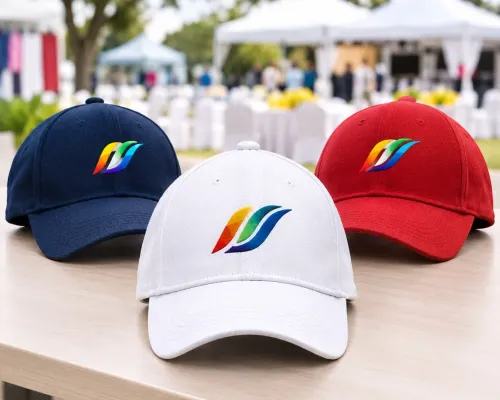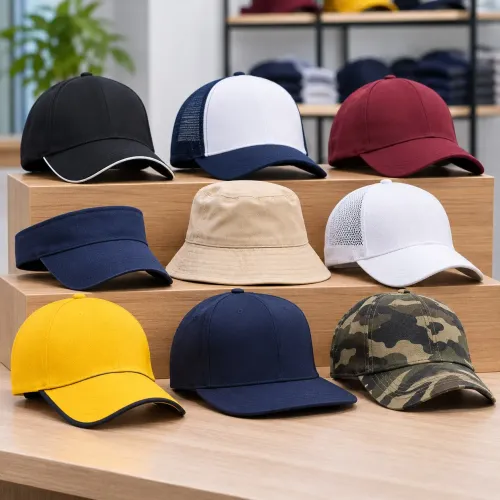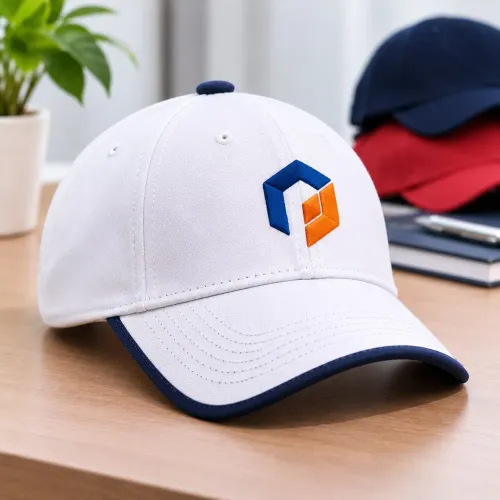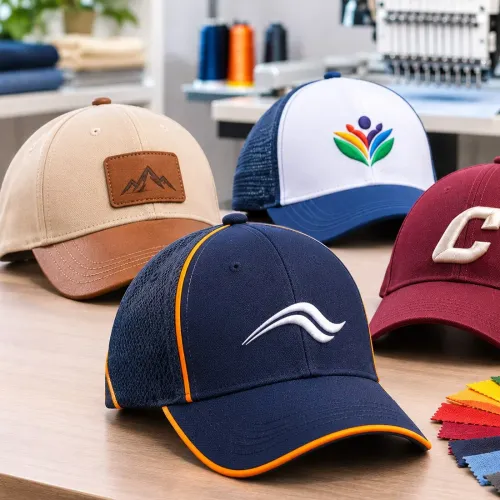
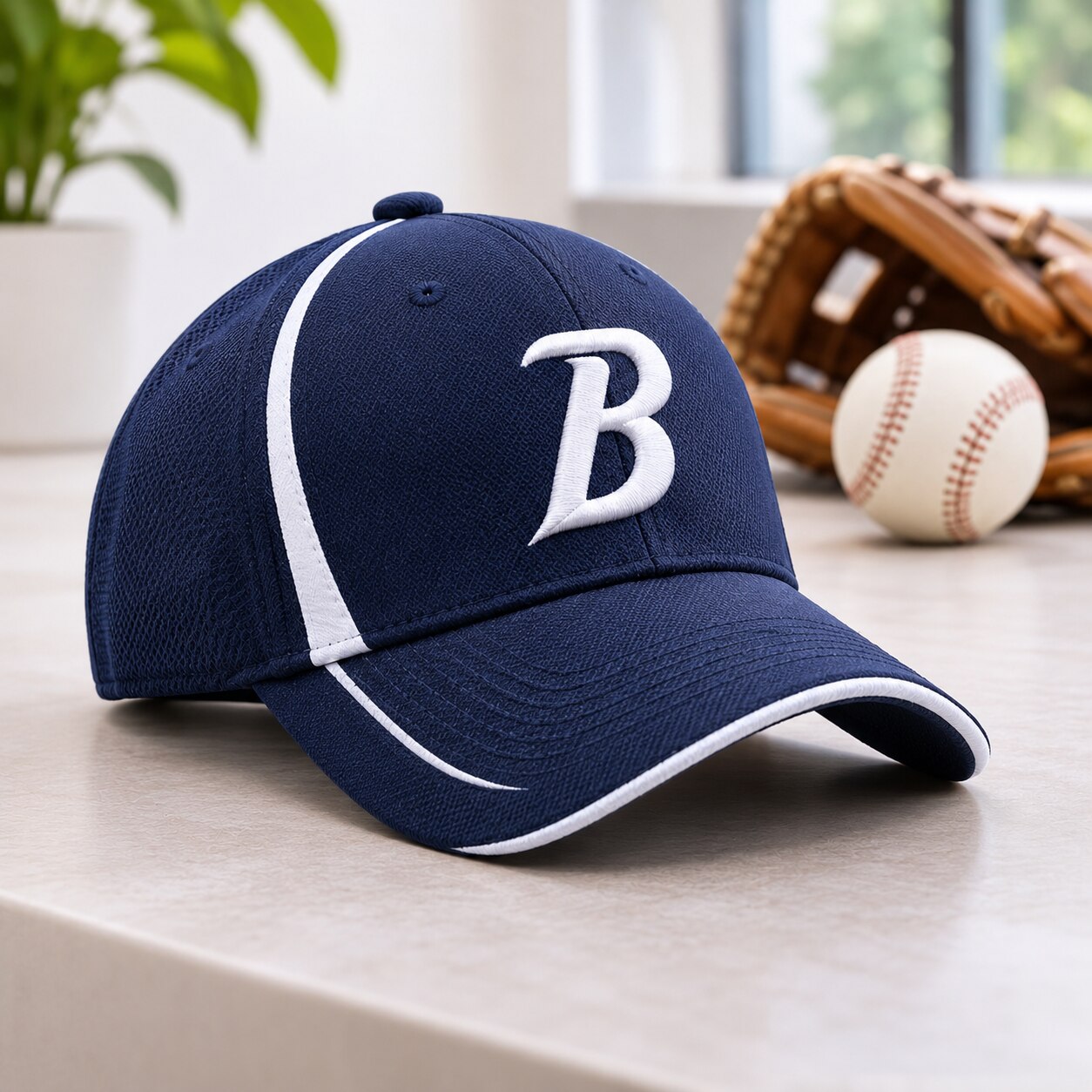
A baseball cap is not defined by its logo alone: crown shape, panel construction, bill, closure, fabric and decoration method determine whether it works for a team, daily wear or merchandise. By the end, you will be able to compare cap types, specify the right construction, approve artwork and samples, and evaluate a manufacturer’s quotation before committing to a bulk order.
Key takeaways
- Choose six-panel crowns for a stable front decoration area.
- Specify bill shape, closure type, fabric weight and size range.
- Test logo scale, placement, stitching and comfort on physical samples.
- Require quantities, tolerances, packaging and delivery dates in the quote.
What Defines a Baseball Cap, and How Does It Compare with Other Caps?
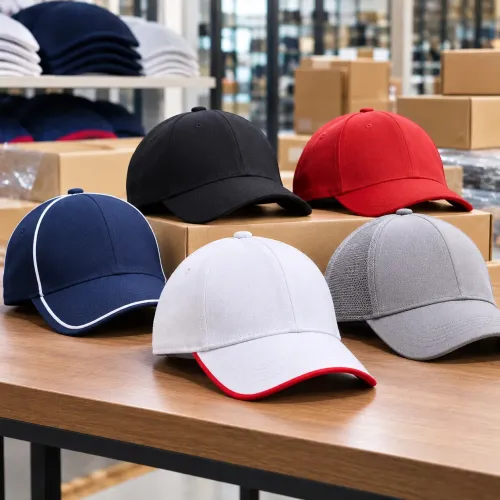
A baseball cap has a shaped crown, a projecting bill, ventilation eyelets, and a rear closure for adjustment. The classic six-panel baseball cap uses six fabric sections joined at the top, with a centre seam and front panels that create a stable area for decoration.
A curved brim gives the familiar sports profile; a flat brim cap keeps a straighter, more streetwear-oriented silhouette.
| Headwear style | Identifying features | Better choice when |
|---|---|---|
| Baseball cap | Crown, projecting bill, eyelets, rear strap, snap or buckle closure | You need versatile sportswear, teamwear, casual clothing or merchandise |
| Five-panel cap | Fewer seams, one broad front panel, often a low profile | A large, uninterrupted front graphic matters more than traditional baseball styling |
| Trucker cap | Foam or fabric front, mesh rear panels, adjustable snap closure | Ventilation and a lightweight summer feel matter |
| Visor | Brim with an open crown | You need shade during tennis, golf or running without covering the head |
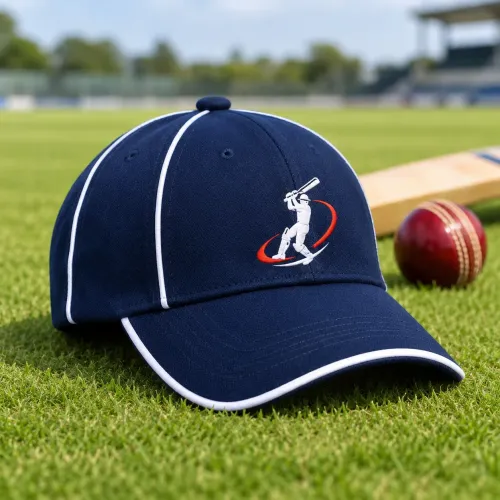
| Cricket cap | Close-fitting crown, short firm peak, usually no rear adjustment | A uniform requires a compact, formal sporting shape |
| Unstructured casual cap | Soft crown with little internal support and a relaxed fit | Comfort and a worn-in everyday appearance matter most |
Choose a six-panel baseball cap for balanced branding and dependable shape. Choose a curved brim cap for traditional team identity; choose a flat brim cap manufacturer when a rigid, level bill and modern streetwear profile are the priority.
How Should You Specify the Crown, Bill, Closure and Fabric?
Sports use needs a stable crown, secure adjustment and fabric that handles sweat; casual wear prioritises softness and drape. For custom baseball caps, specify each component rather than sending only artwork.
Use this construction guide:
| Use case | Crown, bill and closure | Fabric choice |
|---|---|---|
| Sports teams | Structured six-panel crown, pre-curved bill, hook-and-loop or stretch closure for quick adjustment | Polyester or polyester-spandex for moisture management and faster drying |
| Casual wear | Unstructured baseball cap, lightly curved bill and metal buckle or fabric strap for a softer fit | Cotton twill, brushed cotton or a cotton-polyester blend |
| Branded merchandise | Structured crown for a consistent logo surface, flat or curved bill, and adjustable closure for broad sizing | Cotton twill for a familiar hand feel, or polyester for colour retention and repeated use |
A structured baseball cap uses buckram or another stiffener behind the front panels, so embroidery stays flatter; excessive stiffness can feel bulky. An unstructured baseball cap folds more easily and suits relaxed retail or lifestyle merchandise, but its front panel gives a less uniform embroidery field.
Specify panel count, crown height, bill length and curve, eyelet finish, closure hardware, fabric composition and weight, plus finished measurements. Define the logo method, dimensions, placement, thread or ink references and packaging.
A cotton twill cap manufacturer should provide both a blank-cap sample and a decorated sample: inspect shape, adjustment, stitch density, colour, seam interference and abrasion performance before approving bulk production.
How Do You Choose the Size and Decoration for a Wearable Logo?
Measure around the head where the cap will sit: keep the tape level above the eyebrows, pass it over the fullest part at the back, and hold it snug without compressing hair.
Record the result in centimetres, measure several team members, and compare each figure with the supplier’s finished-size chart rather than guessing from age or jersey size.
| Option | Fit method | Best use |
|---|---|---|
| Adjustable baseball caps | Rear strap, buckle or snap changes the circumference | Mixed teams, merchandise and shared stock |
| Fitted caps | Fixed circumference selected from a size chart | Uniform teams needing a consistent profile |
| Stretch-fit caps | Elastic fabric covers a narrow size range | Casual wear when exact sizing is impractical |
Draw artwork on a curved-panel template, not a flat rectangle. Set the maximum logo width and height, centre it between the side seams, and keep it clear of the bill seam, eyelets and closure. A design crossing a seam can cause skipped stitches, puckering or broken needles.
Choose decoration according to the artwork and fabric:
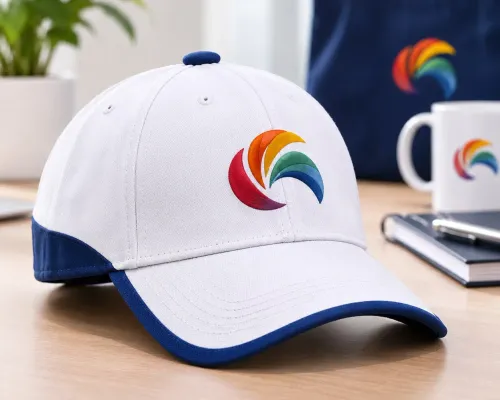
- Embroidered baseball caps give a raised, durable mark, but dense stitching can distort lightweight panels.
- Screen printed caps reproduce fine lines and larger areas, but ink can crack, peel or lose adhesion during laundering.
- Woven or embroidered patches create a stable surface for detailed logos, at the cost of added thickness.
Approve a sew-out or printed sample on the actual cap body. Check lettering, spacing, colour, logo position and curved appearance before bulk production.
What Should You Check in Samples Before a Bulk Cap Order?
Approve two physical samples: one blank cap and one decorated cap. The blank reveals crown shape, bill curvature, panel seams, fabric weight and closure adjustment; the decorated sample exposes placement, stitch or print behaviour and interference from seams. A digital mock-up cannot verify either.
Use this numbered baseball cap quality inspection before cap sample approval:
1. Measure crown height, head opening, bill length, logo height and logo position against your approved specification. Check bill alignment from above and confirm the closure opens, adjusts and stays fastened without tearing.
2. Inspect logo embroidery quality under good light. Count missing or skipped stitches, loose threads, visible backing, puckering and distortion across the curved crown; check printed decoration for incomplete coverage, cracking and poor adhesion.
3. Compare the sample with your approved colour standard, not a screen image. Run cap colourfastness testing by rubbing dry and damp white cloth against the crown and by washing one sample according to the intended care label; record staining, fading and colour transfer.
4. Wear the cap for at least 30 minutes. Check pressure at the forehead, rough seams, scratchy labels, heat retention, ventilation and whether the bill blocks vision or loses its shape.
5. Flex the bill, open and close the closure repeatedly, pull lightly at seams and wash or abrade the decorated area. Reject samples with fraying, seam separation, peeling or shape loss.
Write defect tolerances and an acceptance-sampling plan before production. Record measurements, test results and approved thread or print colours in the signed sample approval.
What Must a Production Brief and Manufacturer Quote Include?
A comparable quote starts with an identical production brief, not a logo file. Ask each baseball cap manufacturer to price the same panel count, crown profile, bill shape and material, closure, fabric composition and weight, finished measurements, decoration method, artwork dimensions and placement, thread or ink references, packaging and defect tolerances.
- Request separate prices for the blank cap, decoration, sampling, tooling or digitising, individual packaging, cartons, freight, insurance, taxes and duties.
- State the quantity breaks, minimum order quantity, delivery location, required ship date, payment terms, quote validity and whether replacements for rejected units are included.
- Require approval samples for both an undecorated cap and a decorated cap before bulk baseball caps enter production.
Compare the compliance basis as carefully as the unit price:
| Quote item | Require from every bidder | Why it matters |
|---|---|---|
| US textile labelling | Fibre content, country of origin and manufacturer or responsible marketer; confirm whether an FTC Registered Identification Number is used | A giveaway cap is not automatically exempt |
| Children’s use | State whether the caps target children age 12 or younger; identify CPSIA lead, phthalate, tracking-label and testing obligations | Adult merchandise cannot simply be relabelled for children |
| UV claims | Name the test basis, tested fabric and construction; request ASTM D6603 labelling support and ASTM D6544 specimen preparation where applicable | Colour, mesh and ventilation can change UPF |
A custom cap supplier should also state the acceptance-sampling plan and measurable limits for dimensions, bill alignment, logo position, skipped stitches, staining, puckering and adhesion. Promotional Cap Manufacturer can be compared fairly only after those fields appear in writing.
Related products
 | SPORTS CAP MANUFACTURERS We Are Best Sports Caps Manufacturers in Pune Maharshtra India , Sports Caps suppliers, exporters, wholesalers and distributors in Pune Maharshtra... View product → |
 | CRICKET CAP MANUFACTURERS We Are Best Cricket Caps Manufacturers in Pune Maharshtra India , Cricket Caps suppliers, exporters, wholesalers and distributors in Pune Maharshtra... View product → |
Frequently asked questions
What defines a baseball cap, and how does it compare with other caps?
A baseball cap has a shaped crown, projecting bill, ventilation eyelets and an adjustable rear closure. A classic six-panel design provides a stable front area for decoration.
How should you specify a baseball cap for production?
Define the crown construction, bill shape and material, closure, fabric, color, size range and decoration method in the production brief.
How do you choose a size and wearable logo?
Match the size range and closure to the intended users, then test the logo for scale, placement, contrast, stitching quality and comfort on a physical sample.
What should you check before placing a bulk cap order?
Inspect sample measurements, crown shape, bill symmetry, fabric, seams, eyelets, closure operation, logo execution, color and overall comfort.
What must a production brief and manufacturer quote include?
Include the cap specification, decoration artwork, quantities by color and size, packaging, quality tolerances, sampling terms, price basis and delivery schedule.
Related products
 | CORPORATE CAP MANUFACTURERS Pune Maharashtra India We Are Best Corporate Caps Manufacturers in Pune Maharashtra India , Corporate Caps suppliers, exporters, wholesalers and... View product → |
 | PLAIN CAP MANUFACTURERS We Are Best Plain Caps Manufacturers in Pune Maharshtra India , Plain Caps suppliers, exporters, wholesalers and distributors iPune Maharshtra India... View product → |
 | 5 PANEL CAP MANUFACTURERS We are the Best 5 Panel Caps Manufacturers in Pune Maharshtra India , dedicated to producing top-quality caps that combine style and functionality. View product → |
 | KIDS CAP MANUFACTURERS We Are Best Kids Caps Manufacturers in Pune Maharshtra India ! We are proud to be the best in the business when it comes to manufacturing... View product → |